
"coffee tree pruning"
700 article(s) found

A brief introduction to the description of flavor, taste and aroma characteristics of well-balanced San Juan Xido boutique coffee beans in Honduras
The granules of coffee beans in Honduras are large in shape, uniform in size and glossy in color. In order to facilitate harvesting, farmers will prune the coffee trees to no more than 150 centimeters, because if they grow too high, they have to set up ladders to pick, which is not only time-consuming, but also may damage the trees by bending branches. As the ripening period of each fruit of the coffee bean is different, it is necessary to keep the coffee bean in good condition.

Honduras Coffee Bean Flavor Description Taste Manor Area Treatment Variety Features Introduction
Honduras coffee beans flavor description taste estate production area processing method variety characteristics Honduras coffee beans particle shape larger, consistent size, uniform color shiny. To make harvesting easier, farmers prune coffee trees to no more than 150 centimeters, which requires a ladder to pick, which is time-consuming and may damage the tree by bending branches
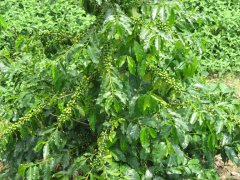
What are the conditions for growing coffee? What are the cultivation methods of coffee trees? When to fertilize?
Professional coffee knowledge exchange more information about coffee beans Please follow the coffee workshop (Wechat official account cafe_style) what are the fruits and seeds of coffee? The appearance of coffee beans the coffee tree should not need special care, but the sunshine should be sufficient and there should be no lack of water. 1. The basic cultivation environment and management of coffee climate and native coffee are mainly limited by temperature.
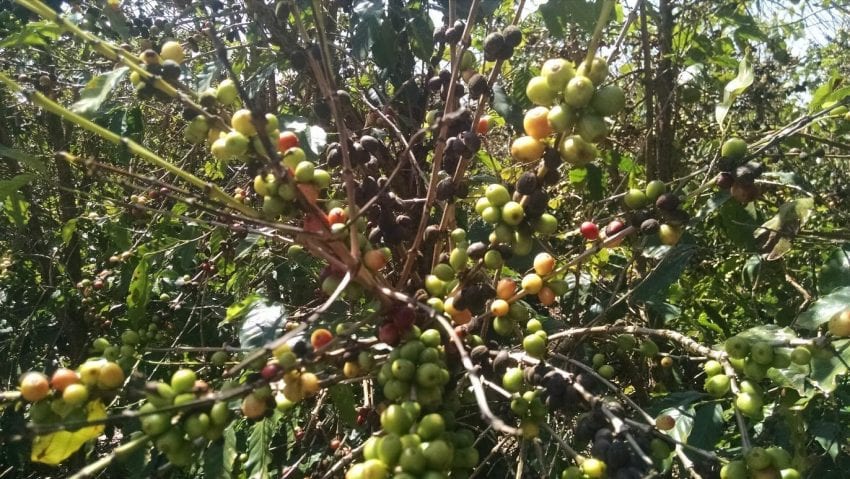
How to monitor and prevent coffee leaf rust? what is coffee leaf rust? What are the hazards of leaf rust
Professional coffee knowledge exchange more information about coffee beans Please follow the coffee workshop (Wechat official account cafe_style) anyone engaged in coffee production may be familiar with the harm of coffee leaf rust. In recent years, devastating outbreaks of this fungus have often made headlines. According to the World Coffee Research report, an outbreak of leaf rust swept through Central America during the 2011 harvest season in Greater 2012.

The characteristics of Red Kaddura washed Coffee beans in Costa Rica
The characteristics of red Kaddura washed coffee beans in Costa Rica the taste of the grinding scale manor introduces that the coffee trees planted in Costa Rica are all Arabica coffee trees, and through improvement, the quality of coffee beans is better and more stable; in order to facilitate picking, coffee trees are maintained at a height of about 2 meters by continuous pruning; the coffee that people eat is the flavor released by the seeds in the fruit being soaked in water.

Introduction to the Origin of Red Honey Flavor of Costa Rican Coffee beans
Costa Rican coffee beans Red Honey Flavor Water temperature Red bourbon Yellow Honey Variety Origin introduction Coffee trees planted in Costa Rica are all Arabica coffee trees have been improved so that the quality of coffee beans is better and more stable; in order to facilitate picking, coffee trees are maintained at a height of about 2 meters by continuous pruning; the coffee that people eat is the flavor released by the seeds in the fruit soaked in water. Pick

Common diseases and pests in coffee cultivation and their control methods
It is distributed in all coffee producing areas in the world, and it also occurs in Yunnan, Guangxi and Hainan Island in China. It is one of the major pests of coffee. The coffee tiger longicorn beetle harms the coffee trunk for more than 2 years and begins to eat between the cambium and the xylem.

Introduction of Costa Rican coffee boutique coffee beans with unique strong flavor
All the coffee trees planted in Costa Rica are Arabica coffee trees. through improvement, the quality of coffee beans is better and more stable. in order to facilitate picking, coffee trees are kept at a height of about 2 meters through continuous pruning. The coffee that people eat is the taste of the seeds in the fruit that are brewed in water. After picking raw coffee beans, the peel, pulp, seed film and sun exposure must be removed.
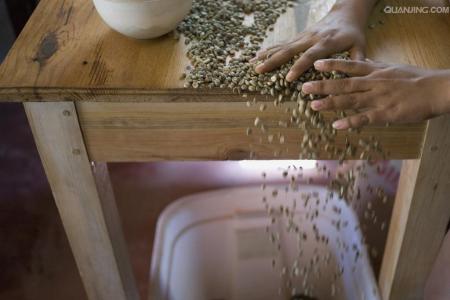
Introduction to the treatment of San Juan Xido coffee beans in Honduras with superior climatic conditions
The granules of coffee beans in Honduras are large in shape, uniform in size and glossy in color. In order to facilitate harvesting, farmers will prune the coffee trees to no more than 150 centimeters, because if they grow too high, they have to set up ladders to pick, which is not only time-consuming, but also may damage the trees by bending branches. As the ripening period of each fruit of the coffee bean is different, it is necessary to keep the coffee bean in good condition.

Costa Rican Coffee producing country introduces Costa Rican Coffee Manor producing area
All the coffee trees planted in Costa Rica are Arabica coffee trees. through improvement, the quality of coffee beans is better and more stable. in order to facilitate picking, coffee trees are kept at a height of about 2 meters through continuous pruning. The coffee that people eat is the taste of the seeds in the fruit that are brewed in water. After picking raw coffee beans, the peel, pulp, seed film and sun exposure must be removed.

Introduction to Costa Rican Yerzaro coffee with light and pure flavor and taste
All the coffee trees planted in Costa Rica are Arabica coffee trees. through improvement, the quality of coffee beans is better and more stable. in order to facilitate picking, coffee trees are kept at a height of about 2 meters through continuous pruning. The coffee that people eat is the taste of the seeds in the fruit that are brewed in water. After picking raw coffee beans, the peel, pulp, seed film and sun exposure must be removed.

Costa Rican Tarazu Coffee Bean treatment Grinding scale Variety Origin Manor introduction
The coffee trees planted in Costa Rica are all Arabica coffee trees. through improvement, the quality of coffee beans is better and more stable. in order to facilitate picking, coffee trees are kept at a height of about 2 meters through continuous pruning. The coffee that people eat is the taste of the seeds in the fruit that are brewed in water. After picking raw coffee beans, the peel, pulp, seed film and sun exposure must be removed.

What is the sunrise plan for Bolivian coffee? Introduction of Saint Angel Manor Caravani, Bolivia
Professional coffee knowledge exchange more coffee bean information please follow the coffee workshop (Wechat official account cafe_style) Bolivia's "tomorrow Sun Project", that is, a plan to comprehensively promote Bolivian coffee, which requires a lot of money and effort to coach small farmers, including technical support, breeding, pruning, harvesting and other important technologies, and buy small farmers at high prices.

Description of Coffee Flavor in Fenghuang Manor, Costa Rica
The research center, located about 30 kilometers northeast of San Jose, the capital of Costa Rica, belongs to the Costa Rican Coffee Association and is the research institution for planting, breeding and quality inspection of Brazilian coffee fruits in Costa rica. in addition, it also has 10 hectares of experimental plots, planting a number of excellent varieties. Coffee is the main agricultural product in Costa Rica, with an annual output of more than 2 million bags

Introduction to the Grinding scale of the Variety characteristics of Honduran Coffee Flavor description
Honduran Coffee Flavor description treatment Variety characteristics production area Grinding scale introduction Honduran Coffee has a good reputation and is suitable for mixed coffee. Coffee in Honduras is imported from El Salvador. Honduras produces high-acid high-quality coffee. Like other places, the coffee grade in Honduras depends on altitude: at 700 to 1000 meters above sea level

Flavor characteristics of Costa Rican coffee beans taste manor grinding scale in the producing area
Costa Rican coffee bean flavor characteristics varieties taste manor grinding scale in Costa Rica all coffee trees planted in Arabica are planted in Costa rica. through improvement, the quality of coffee beans is better and more stable; in order to facilitate picking, coffee trees are maintained at a height of about 2 meters by continuous pruning; the coffee that people eat is the flavor released by the seeds in the fruit soaked in water. Picking students

Description of growing Environment and Flavor of Manning Coffee introduction of manor characteristics in planting area
Manning Coffee growing Environment Flavor description Variety introduction Coffee is an evergreen cotyledon plant native to Ethiopia and belonging to Coffee of the Rubiaceae family in botany, with a height of up to 10 meters, while artificial growers are only two to four meters tall due to pruning. Coffee will probably go to seed in three to four years, while twenty to 25

Why coffee beans grow higher in the region, the better the quality, the better the growing environment
The higher the quality of coffee beans grows in the region, the better the quality. Roberta coffee trees are native to Congo, Africa, and account for about 20%, 30% of the world's output. Roberta coffee tree is suitable for planting in the lowlands below 500 meters above sea level. It has strong adaptability to the environment, can resist bad climate, resist diseases and insect pests, and is not needed in soil preparation, weeding and pruning.

Costa Rica Las Jas Estate Flavor Description Processing Quality Features Grinding Scale Introduction
Costa Rican coffee is grown in Costa Rica Arabica coffee trees, improved, the quality of coffee beans is better and more stable; in order to facilitate picking, coffee trees are continuously pruned to maintain a height of about 2 meters; people eat coffee is the fruit of the seeds released by water brewing flavor. After picking green coffee beans, you must remove the peel, pulp and seed.

Coffee Culture-an introduction to the Source of the word Coffee
The coffee tree is an evergreen cotyledon plant native to Ethiopia and belongs to the Coffee genus of the Rubiaceae family in botany, with a height of up to 10 meters, while artificial growers are only two to four meters tall due to pruning. Coffee will probably seed in three to four years, and the yield will decrease after 20 to 25 years, but some coffee trees will still bear fruit after more than a hundred years.